Cambridge University Press · 2026
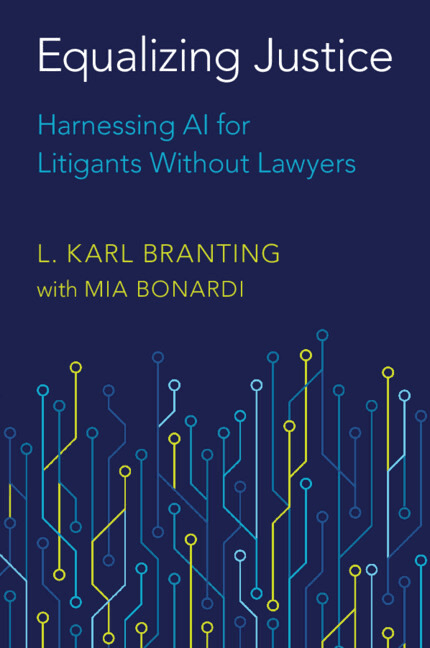
Equalizing Justice: Harnessing AI for Litigants Without Lawyers.
Chapter 13, “Today's Access to Justice Systems,” by Kiernan Moran and Mia Bonardi.
The chapter
The chapter surveys what is actually working. Kiernan and co-author Mia Bonardi profile a dozen initiatives trying to close the access-to-justice gap with technology: British Columbia's Civil Resolution Tribunal, which has resolved more than 52,000 claims entirely online; Suffolk Law's Document Assembly Line Project, built when COVID closed the courts; Kansas's Protection Order Portal; and paid tools including Hello Divorce, Courtroom5, and Quest for Justice.
The argument underneath is that the justice gap is not a technology problem. It is a structural market failure: legal services shaped by profit incentives, thin public funding, and restrictive rules on the unauthorized practice of law, together failing the people who can least afford to be failed. The tools that work are the ones someone had the nerve to build and the patience to keep rebuilding, which the chapter describes as building a plane while flying it.
Written for the technologists building these systems, the courts deciding whether to trust them, and the lawyers who will practice alongside them.
Speaking & CLE
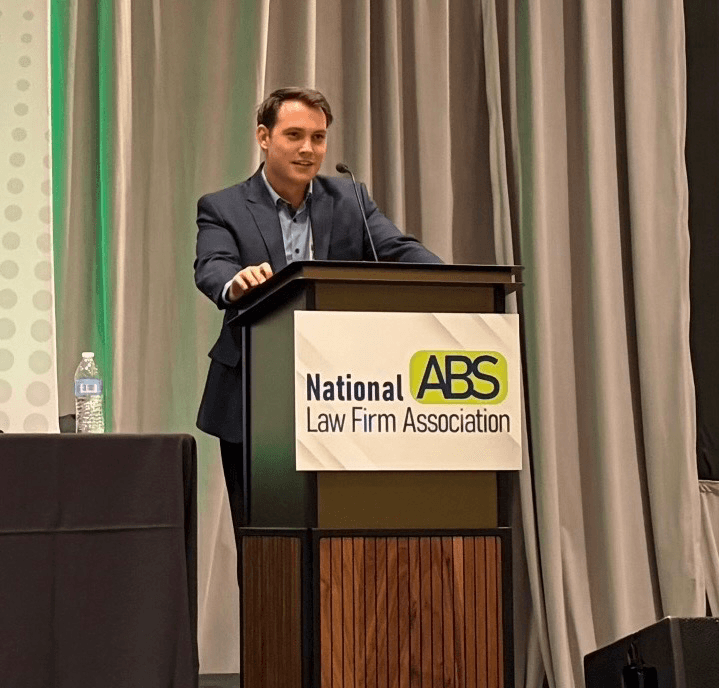
Kiernan speaks on AI and legal practice: what the technology actually does, what the ethics rules actually require, and where the two collide. Available for CLE-credit programs in Arizona, and for firm retreats and bar sections elsewhere.
Bring this to your firm or bar section.
A talk, a CLE program, or thirty minutes on whether any of it applies to your practice.
Book a consultation